Pandan: Risks, Contraindications, and Precautions for Use
Pandan is an aromatic plant widely used in Southeast Asia, both in cooking and as a herbal tea. In Europe, it is often marketed as a natural, mild, and caffeine-free ingredient, particularly in powder form. But one question comes up time and again: does pandan pose any risks or have any contraindications?
This article provides a clear and nuanced analysis of the potential risks associated with pandan, distinguishing between traditional uses, available data, and reasonable precautions to take.
Is pandan harmful to your health?
To date, pandan is not considered a dangerous plant when consumed as part of a normal diet. Pandan leaves have been used for generations in Southeast Asia, both to flavor dishes and in certain traditional preparations.
No acute toxicity has been identified in traditional culinary uses. Unlike certain aromatic plants that are rich in alkaloids or stimulating substances, pandan does not contain caffeine and does not produce a stimulating effect.
Are there any known contraindications for pandan?
Contraindications for pandan are rare and mainly apply to specific situations. As with any plant-based ingredient, individual sensitivity is possible. Some people may experience mild digestive discomfort if they consume too much or if the powder is of poor quality.
In the absence of extensive large-scale clinical studies, it is recommended to take a common-sense approach, particularly for vulnerable groups such as pregnant women, people undergoing medical treatment, or those with multiple food allergies.
Pandan and Potential Side Effects
When used in moderate amounts, pandan generally does not cause any notable side effects. Traditional uses instead highlight benefits related to digestive comfort and a sense of relaxation.
The reported side effects are most often linked to low-quality processed foods containing artificial colors or added flavorings. These additives may be the cause of reduced tolerance, without pandan itself being to blame.
Can you eat pandan every day?
The daily consumption of pandan is common in some Asian countries, particularly as a light infusion or as part of the diet. To date, there is no evidence to suggest that moderate, regular consumption poses any particular health risk.
As with any aromatic plant, the key lies in moderation and a varied diet. Pandan should not be consumed in excess or marketed as a product with proven medicinal properties.
Precautions to take with pandan powder
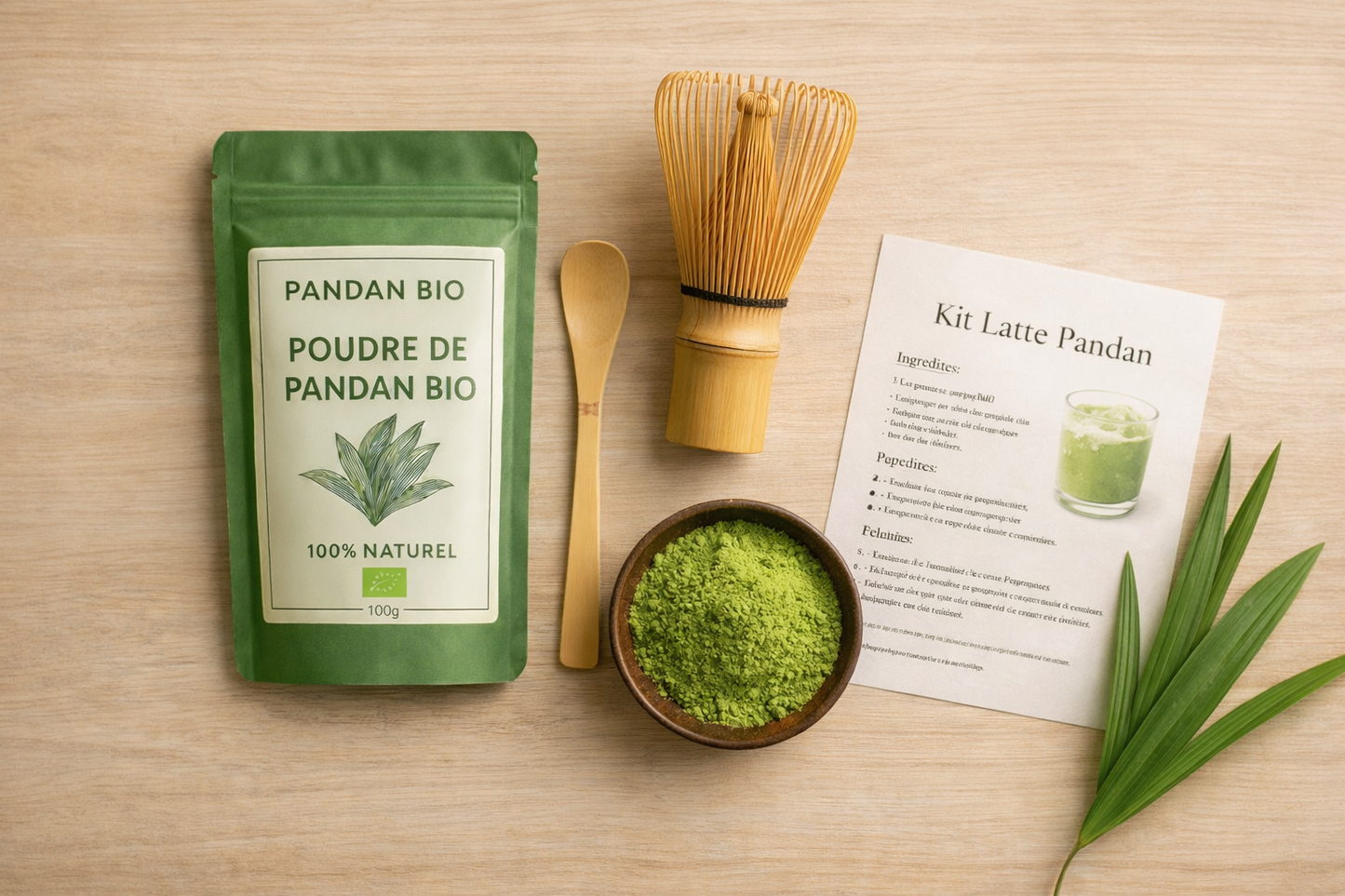
Not all pandan powders are created equal. Some powders available on the market contain artificial green food coloring or synthetic flavorings designed to mimic the characteristic scent of pandan.
To minimize any unnecessary risks, it is advisable to choose pandan powder made exclusively from leaves, free of additives and artificial colors, and sourced from a transparent production chain. Natural pandan powder is characterized by a soft green color and a subtle aroma that is never overpowering.
Pandan: Traditional Medicine and Scientific Findings
In traditional Asian medicine, pandan is sometimes used for purposes related to digestion or relaxation. These practices are rooted in cultural and empirical traditions but should not be confused with validated medical evidence.
To date, the scientific data available on pandan remains limited. This does not mean that the plant is dangerous, but simply that its effects should be viewed with caution and without overinterpretation.
Conclusion: Should we be concerned about pandan?
Pandan is not a dangerous plant when used in normal culinary settings and with high-quality products. Adverse reactions are rare and mainly occur in specific situations or when using low-quality processed products.
When consumed in moderation, pandan can easily be incorporated into a varied diet, particularly for those seeking a mild, caffeine-free alternative to more stimulating plant-based beverages. As always, the focus should be on the quality of the product rather than the plant itself.