How is pandan grown? From the plant to your plate
🌱 A tropical plant that’s demanding but rewarding
Pandan (Pandanus amaryllifolius) is a tropical perennial plant that grows in the hot, humid climates of Southeast Asia: Thailand, Indonesia, the Philippines, Malaysia…
It is grown in the ground or sometimes in pots in urban areas. The plant develops long, emerald-green leaves with a natural fragrance, which are harvested when ripe for culinary use.
🧑🌾 A tradition of craftsmanship and sustainability
Pandan growers often operate on a small scale, using agroecological methods.
– No chemical pesticides
– Low-impact irrigation
– Manual harvesting of leaves, without damaging the plant
This growing method respects natural cycles and allows for multiple harvests per year.
🔄 From fresh leaves to the finished product
Once harvested, pandan leaves can be processed in various ways depending on their intended use:
-
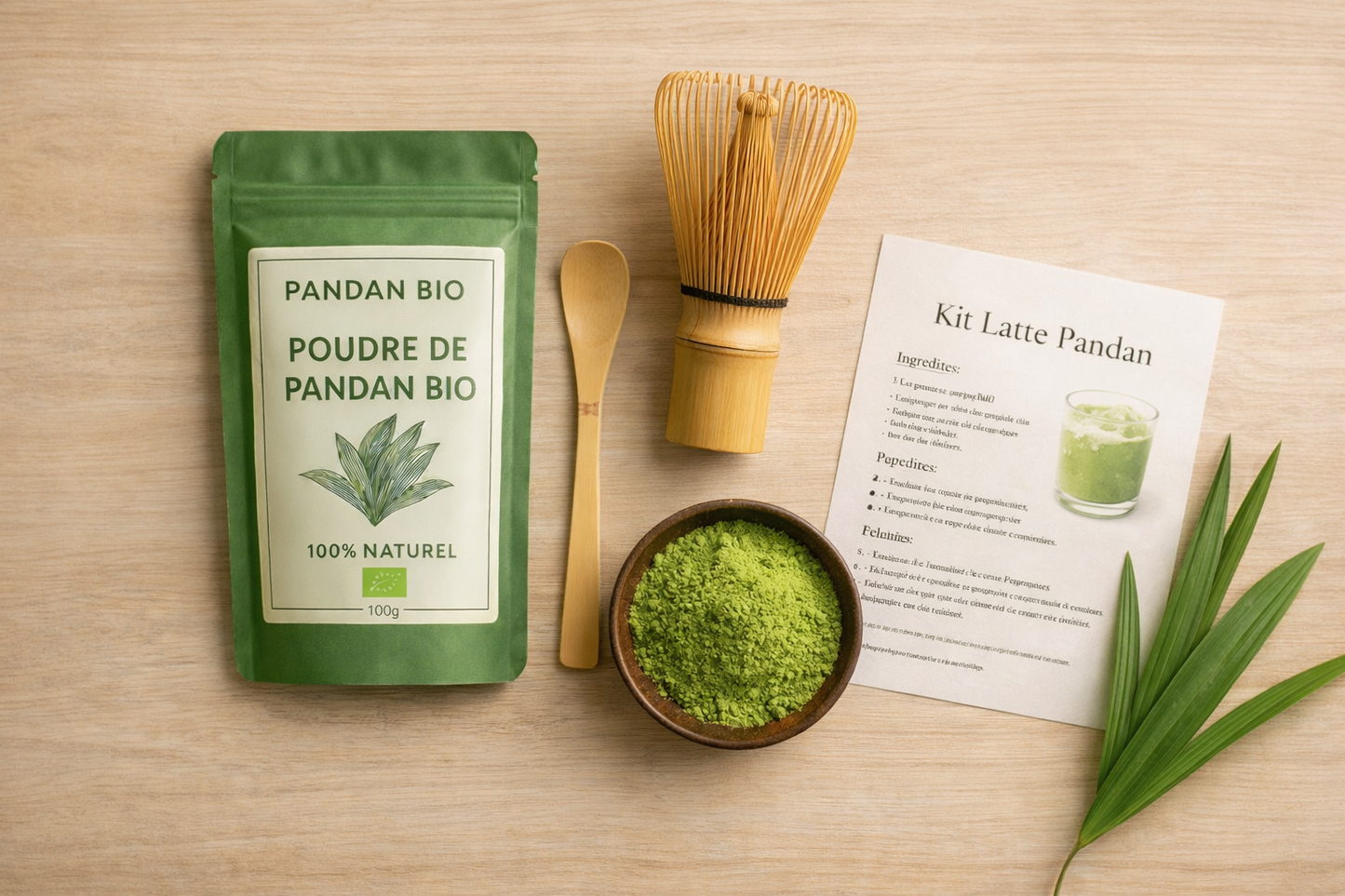
Dried and ground into powder: perfect for baking and beverages
-
Pressed to make a natural liquid extract
-
Chopped or steeped whole in dishes or infusions
👉 All these formats preserve the active ingredients and natural flavors of pandan, with no artificial colors or additives.
🌍 Traceability and quality
At Pandan-Bio, we work with partner producers who share our values:
– Organic or sustainable farming
– Respect for the environment and local expertise
– Ethical working conditions
We select each batch based on its freshness, aroma, and purity to ensure you receive authentic pandan that is traceable from plant to plate.
📌 Conclusion
Behind every pandan leaf lies patient, artisanal work that respects nature. By choosing organic, responsibly sourced pandan, you’re doing more than just buying a flavoring: you’re supporting sustainable farming and living traditions.